Are you sick of raking your big yard all fall? Learning how to use a lawn sweeper picks up leaves fast. Midwest fall storms drop huge messes on my grass. I have run these tools for years to save my back. Read on to see how to use a pull behind lawn sweeper now!
When to Use a Lawn Sweeper for Best Results
Timing matters a lot more than most people think. If you use it at the wrong time, it barely works at all.
I learned this during a chilly fall cleanup. I rushed out early on a Saturday morning. I really wanted to finish my yard work fast. But the grass was still wet with heavy dew.
I pushed the machine back and forth. Almost nothing went into the bag! I just felt the heavy drag of wet tires slipping on the mud. It drove me totally crazy.
When you get angry because nothing gets picked up, moisture is usually the villain. Figuring out how to use a lawn sweeper means learning to wait for the sun.
Here is my daily rhythm for the best results:
| Time of Day | Lawn Condition | My Sweeping Result |
| Early Morning | Very wet from dew | A heavy, soggy mess |
| Midday | Totally dry and crisp | Perfect, fast pickup |
| Late Evening | Hit or miss | Dew starts coming back |
The Best Conditions
You always want dry grass. Wait until the hot sun evaporates all the dew. This machine loves light, loose debris. Dry leaves will pop right into the hopper with a crisp, happy sound!
The Worst Conditions
Never try to sweep wet leaves or damp grass clippings. Stay far away from muddy ground. Wet dirt will instantly clog your brushes and ruin your chore time.
Setting the Brush Height Correctly (This Changes Everything)
If there is one secret to learning how to use a lawn sweeper, this is it. Setting the brush height right changes everything.
I learned this the hard way on a hot Tuesday afternoon. My front yard looked a bit messy. I wanted to clean up some dry oak leaves fast. But my sweeper just rolled right over the top of them! I felt so silly pushing it for no reason.
How to Adjust Brush Height
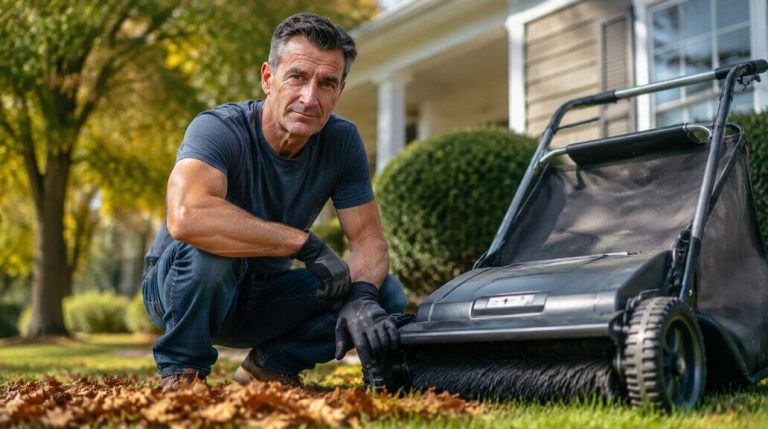
You want the stiff brushes to barely kiss the top of the grass. They should just slightly flick the grass tips as you walk.
Never let the bristles dig deeply into the dirt. Just turn the height knob or move the metal pin to lower the main housing.
What Happens If You Get It Wrong
Getting this simple setting wrong will easily ruin your yard work.
| Brush Setting | What Happens on the Lawn | How It Feels to Push |
| Too High | Debris is left behind | Very easy, but completely useless |
| Too Low | Poor brush rotation | Very heavy and makes you sweat |
| Just Right | Leaves pop right into the bag | Smooth, fast, and very fun |
I set mine way too low once. The rubber tires just locked up tight. The heavy machine dragged through the dirt, and my arms ached for days.
Quick test method: Do not guess the height. Roll the sweeper forward for just three or four feet. Stop and check your pickup path instantly. If the ground looks clean, you are ready to tackle the whole yard!
How to Use a Push Lawn Sweeper Step-by-Step
Using a manual model is simple, but small tweaks make it way better. Learning how to use a lawn sweeper correctly saves a lot of time. Here is my simple step-by-step method.
Here is a quick look at the best techniques:
| Sweeping Step | My Best Action | Why It Works |
| First Pass | Walk very steady | Keeps brushes spinning evenly |
| Next Pass | Overlap your lines | Stops messy leaf strips |
| Turning | Lift the front up | Saves the rubber wheels |
Starting Your First Pass
On a breezy Thursday afternoon, I took my manual sweeper out to the backyard. I wanted to finish fast, so I started to run with it. That was a funny mistake!
If you rush, the brushes spin too wildly. They just toss the dry leaves right over the top of the bag. Instead, walk at a nice, steady pace. You will hear a calm, quiet ticking sound. That sound tells you it is working perfectly.
Overlapping Your Passes
You cannot just walk in random circles. Think about your normal mowing pattern.
Always overlap your passes slightly. I try to overlap my wheel tracks by just a few inches. If you skip this, you will leave ugly, messy strips of leaves everywhere. When you overlap right, you will notice clean stripes forming on the grass. It is oddly satisfying to watch your yard look so neat!
Turning and Maneuvering
Turning this tool can feel clunky at first. Avoid making sharp, harsh pivots at the edge of your yard.
If you turn too sharply, the tires drag sideways into the dirt. Just press down lightly on the metal handle. Lift the front brushes slightly off the ground when turning around. It feels just like popping a small wheelie on a bike. It makes turning very smooth and protects your green grass.
How to Use a Pull Behind Lawn Sweeper Efficiently
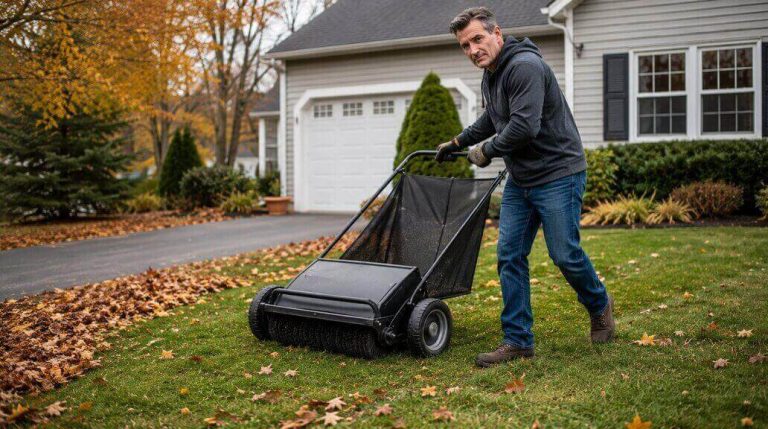
If you have a big riding mower, this is where you gain real speed. Figuring out how to use a pull behind lawn sweeper correctly saves hours of work.
But you cannot just hook it up and race around the yard. I tried that my first time, and it was a total disaster!
Here is my quick guide to doing it right:
| Towing Step | What To Do | Why It Matters |
| Hitching | Lock the metal pin | Stops the unit from popping off |
| Speed | Start very slow | Lets the brushes grab everything |
| Dumping | Empty it early | Keeps the heavy fabric from tearing |
How to Use a Pull Behind Lawn Sweeper
First, back your tractor up and attach the sweeper securely to the metal hitch. Always double-check that the safety pin is locked in tight.
Once you are hooked up, start driving very slowly. Test the brush pickup for a few feet. I always do a slow test run near my driveway. Once I see clean grass behind me, I increase my speed just a little bit.
Ideal Driving Pattern
You want to drive in long, straight lines first. Think of it like painting a giant floor.
When you get to the edge of the yard, make very wide turns. I made the mistake of turning too sharply on a Tuesday afternoon. The whole sweeper unit tilted up on two wheels and almost tipped over! Wide turns keep everything flat and safe.
Hopper Management While Towing
Do not get lazy and overfill the bag. Dump the leaves before the bag gets too heavy.
One cool, crisp autumn day, I planned my whole route perfectly. I started near the house and drove in one smooth loop. I ended up right by my compost pile just as the hopper got full. I pulled the dump rope without even leaving my seat. It felt amazing to skip all that annoying backtracking!
Can You Use a Lawn Sweeper While Mowing?
Doing two yard chores at once sounds great. I wanted to save a lot of time last June. I tried to cut my grass and tow my sweeper at the exact same time.
It can work, but you must do it right. Honestly, trying to rush and save time can easily double your work!
Here is a quick look at when to mix these two jobs:
| Mowing Setup | Does It Work? | What Happens |
| Dry, short grass | Yes, perfectly | Brushes grab the light clips fast |
| Wet, tall grass | No way | Thick green paste jams the gears |
When It Works
It works best when your yard is totally dry. If you just have light grass clippings, it runs very nicely.
The dry, cut grass flies right out of the mower deck. It lands on the lawn, and the spinning brushes pop it right into the hopper bag. It feels like a magic trick when the sun is out!
When It Doesn’t
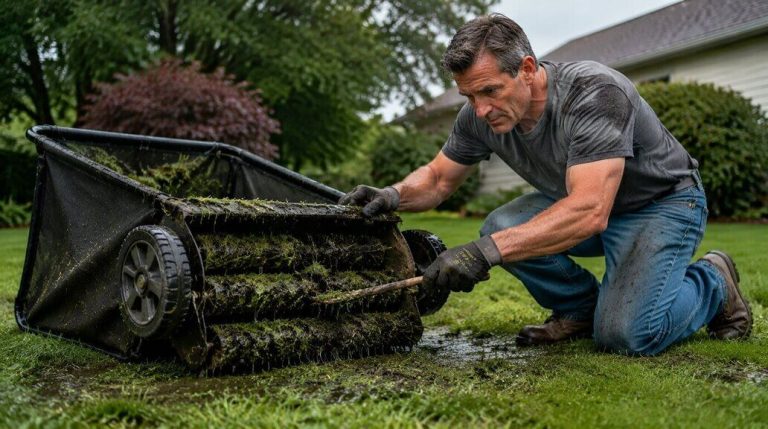
I tried mowing and sweeping after a quick rain shower on a hot Friday. What a huge mistake that was!
The wet clippings turned into a thick, sticky green paste. It completely clogged the stiff brushes. I had to stop my tractor in the middle of the yard. I spent an hour just scraping smelly, wet grass out of the metal gears with a dirty stick.
Best Strategy
If you want the best looking yard, just break the job into two easy steps.
First, mow the lawn by itself. Let the cut grass dry in the warm sun for an hour. Second, come back and sweep it all up.
If you really want to know how to use a lawn sweeper while mowing, only do it for very light trims. A quick, dry cut keeps the tool running smooth. Learning how to use a pull behind lawn sweeper correctly saves you from fixing nasty, wet clogs!
Can You Pull a Lawn Sweeper with a Zero-Turn Mower?
The short answer is yes. But there are a few big catches that most people do not expect!
I tried this on a sunny Sunday morning in early fall. I just bought a fast zero-turn mower. I thought I could clean my huge yard in ten minutes. I hooked the sweeper up and zoomed off. It was a funny disaster. I whipped around a tree and almost wrapped the sweeper around my brick mailbox!
Here is a quick look at how these fast mowers change things:
| Mower Type | How It Steers | How The Sweeper Reacts |
| Basic Tractor | Slow, wide loops | Follows smoothly and sweeps well |
| Zero-Turn | Fast, sharp spins | Swings wildly and misses leaves |
Compatibility Basics
First, you actually need a hitch attachment. Many zero-turn mowers do not come with a metal hitch plate in the box. I had to buy a cheap metal hitch and bolt it on myself.
Weight limits also really matter here. A full bag of leaves gets very heavy. Check your mower manual so you do not burn out the expensive wheel motors.
Handling Differences
Zero-turn mowers steer with lap bars. They can spin right on a dime. But your sweeper hates sharp turns!
If you turn too fast, the sweeper tires stop rolling forward. They just drag sideways in the dirt. This totally disrupts your pickup. You will leave an ugly, curved stripe of dead leaves right on your grass. You need to make much smoother, wider turns.
Best Practices
Figuring out how to use a lawn sweeper with a zero-turn just takes a little patience.
First, reduce your speed slightly. Avoid any sudden, jerky pivots. I always felt a heavy jerk on my steering bars when I turned too fast. When you learn how to use a pull behind lawn sweeper correctly, driving it feels a bit like pulling a small boat. You must swing wide.
Once you adjust your driving habits, it becomes surprisingly efficient! I can now clean my whole yard fast without ever leaving my seat.
How to Know If You Are Using It Correctly
Your lawn will tell you right away if you are doing a good job. You just have to know what to look for.
When I first learned how to use a lawn sweeper, I constantly looked back over my shoulder. I wanted to see if I was actually grabbing the leaves.
Here is a simple checklist to read your yard:
| What I See on the Yard | What It Means | My Quick Fix |
| Clean, wide stripes | It works great | None! Keep on driving. |
| Thick strips of leaves left | Poor wheel overlap | Overlap my lines more |
| Nothing gets picked up | Brushes sit too high | Turn the height knob down |
Signs It Is Working Well
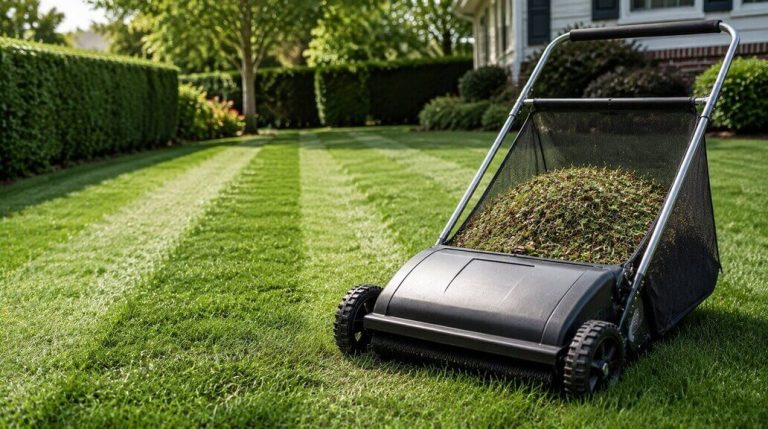
You will know you nailed it when you see clean, visible paths behind you.
The yard looks like a freshly vacuumed living room rug! You should also see the fabric hopper filling up evenly. Listen closely to the wheels. A smooth, even rolling sound means your brushes are set at the perfect height.
Signs It Is Not Working
If you see lots of messy debris left behind, stop right away.
Uneven pickup means your wheels might be slipping or your speed is wrong. You might feel a heavy dragging resistance in your arms or on your tractor hitch. That harsh pull means the brushes are digging into the dirt.
Quick Fixes
You can fix these problems in just a few seconds.
First, adjust your brush height up just a tiny bit. Second, slow your walking or driving speed down. Rushing always makes the pickup worse! Finally, recheck your yard conditions. If the grass feels damp at all, park the tool and wait for the sun.
Common Mistakes That Waste Time (And How to Avoid Them)
Most problems with these tools are not broken parts. They are just bad habits that add up.
I made all of these silly mistakes during my first year. I spent a lot of time angry at my machine! But the fixes are very simple, and they make a huge difference.
Here is a quick look at the most common sweeping mistakes:
| Bad Habit | What It Ruins | The Simple Fix |
| Moving too fast | Leaves fly over the bag | Slow your walking pace |
| Sweeping wet grass | Brushes clog with mud | Wait for the hot sun |
| Ignoring a full bag | Dumps leaves back out | Empty it very often |
| Skipping overlap | Leaves ugly leaf stripes | Overlap wheel tracks |
Moving Too Fast
One breezy Friday, I was late for a family dinner. I tried to literally run with my manual sweeper to finish fast. That was a bad idea!
Moving too fast totally reduces your brush effectiveness. The brushes spin wildly and throw dry leaves right over the bag onto the dirt. Just slow down. A nice, steady walk actually saves you from doing the job twice.
Using It on Wet Lawns
I cannot say this enough. Do not sweep wet lawns!
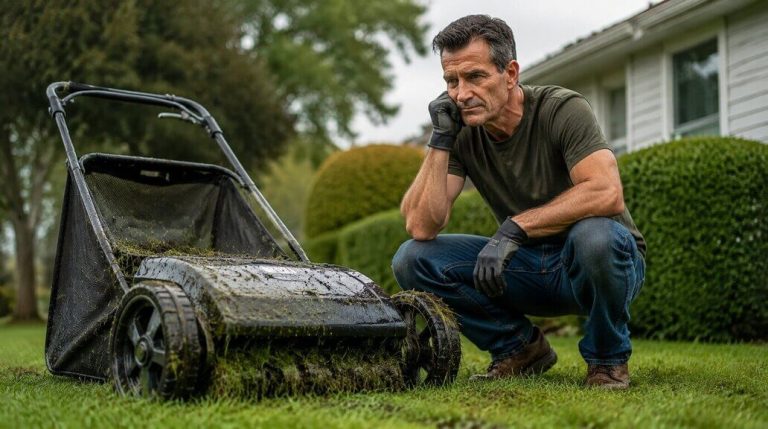
I tried this after a heavy morning dew because I was bored. The wet dirt caused instant clogging. I felt an awful, heavy pull in my shoulders. The wet grass stuck to the plastic gears like thick green glue. Figuring out how to use a lawn sweeper correctly means knowing when to just stay inside.
Ignoring Hopper Capacity
It is very easy to just keep driving and ignore the heavy bag. But a full bag leads to really poor pickup.
Once the canvas bag gets fully packed, the new leaves have nowhere to go. They just fall right back onto the clean grass! I felt so dumb when I looked back and saw a huge trail of oak leaves falling out behind my tractor. Dump it before it gets totally full.
Skipping Overlap
You might want to cover the yard fast by taking wide paths. But skipping the overlap leaves messy strips of leaves everywhere.
You will have to go back and sweep the whole yard again! Always overlap your wheel tracks by just a few inches. It gives you those nice, clean stripes that make your yard look perfect.
Frequently Asked Questions
Do these tools work well on dry pine needles?
Yes, it grabs dry pine needles fast. Set the hard brushes right near the dirt. It is easy to learn how to use a lawn sweeper to clean your yard very well today!
Will the brushes pick up dropped tree nuts?
It grabs small nuts when the lawn is flat. Big nuts might jam the gears up. If you learn how to use a pull behind lawn sweeper, you save your back from pain!
What is the best way to clean the hopper bag?
Empty the bag and wipe off the dirt. Let the tool dry in the sun. This is a key step in how to use a lawn sweeper well. Fold the bag flat to keep it safe.
Can I sweep over a rocky path or dirt road?
No, do not sweep over hard rocks. Big stones break the small gears fast. Knowing how to use a pull behind lawn sweeper right means you must stay on the grass.
Is it safe to sweep leaves on a paved driveway?
It is best to keep it on the grass. Hard paths wear down the brush tips too fast. Once you learn how to use a lawn sweeper, you will see it works best on turf.